
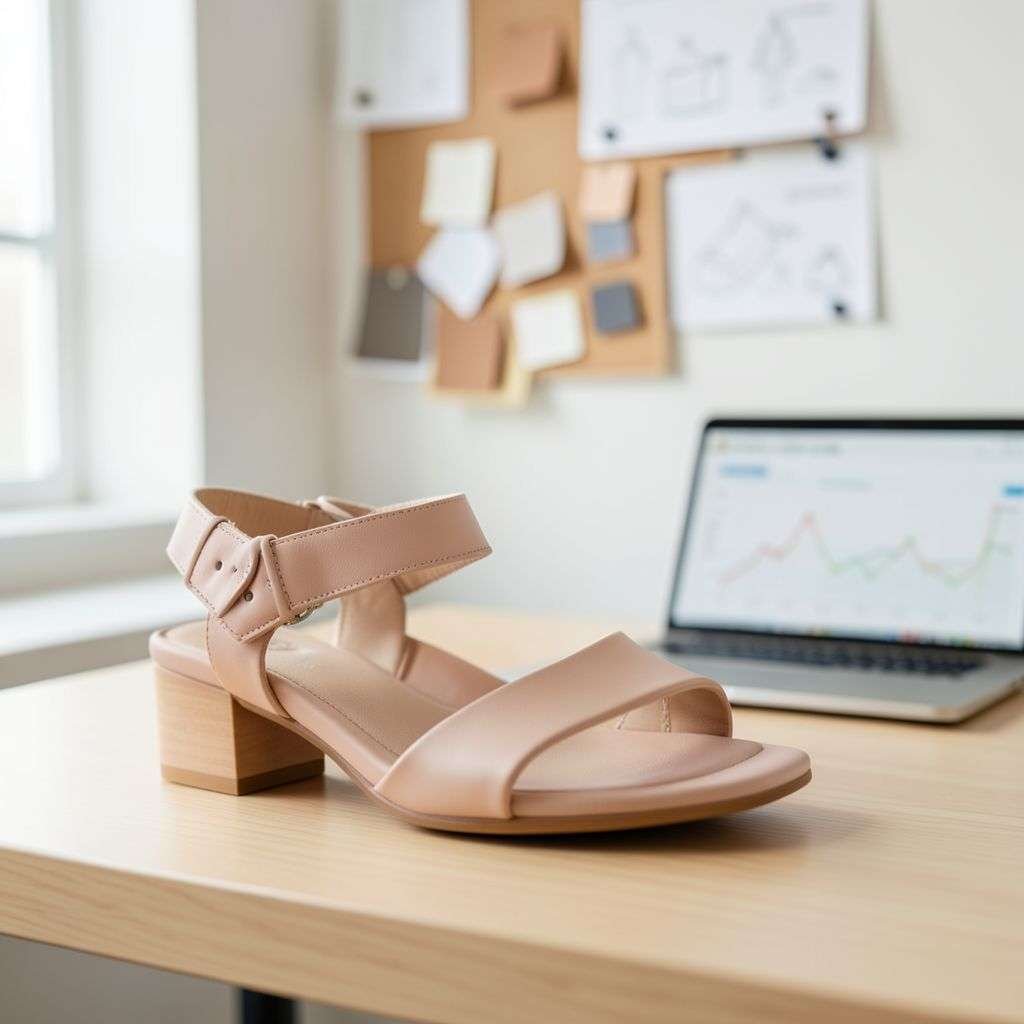
Heel sandals for girls sit inside a women’s sandal market that research firms value at anywhere from roughly $18 billion to $29 billion, and founders who design them around podiatrist limits instead of trend cycles will own a trust advantage that rivals skip. Estimates for 2025 run from $18.51 billion to $28.7 billion.
Heel Sandals for Girls Sit Inside a Large, Growing Market
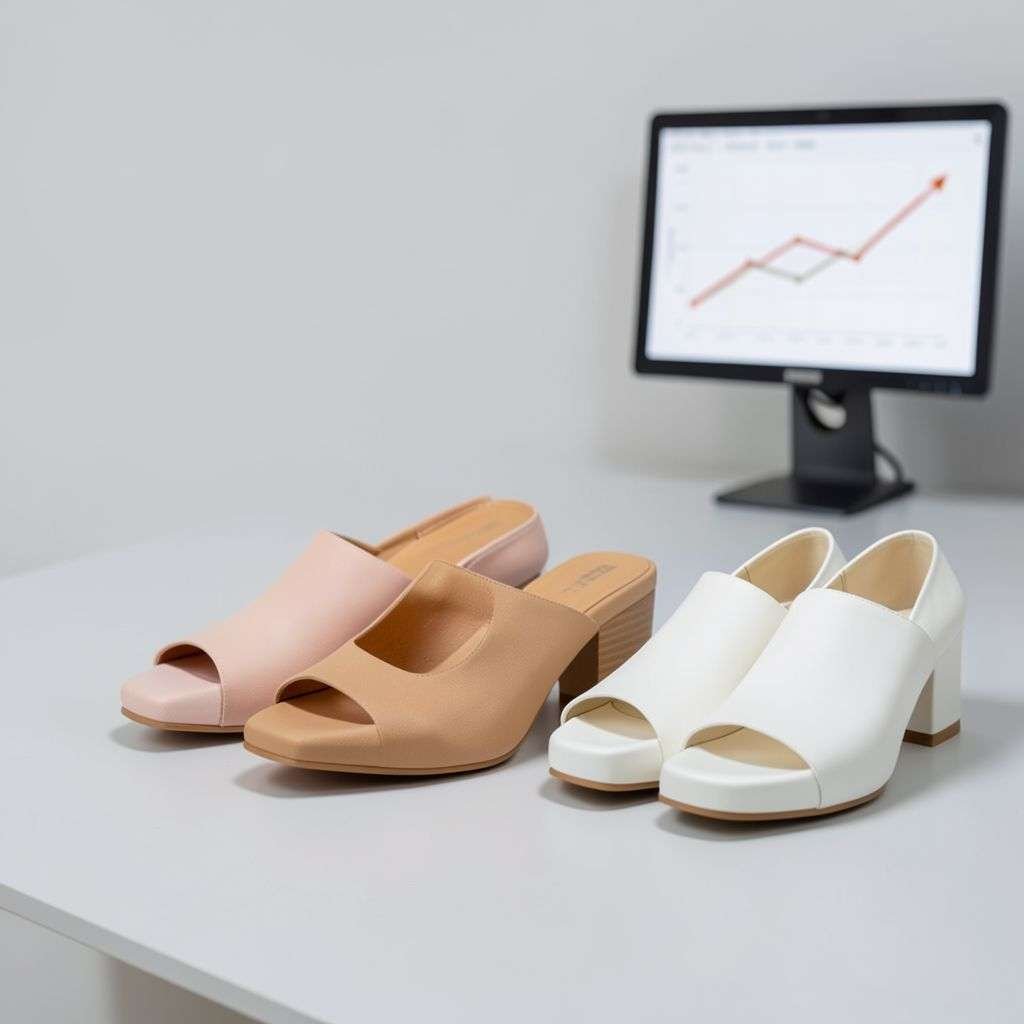
Series A founders back categories with evidence, so start with size. Three research firms publish women’s sandal forecasts, and the numbers disagree. LP Information projects growth from $18.51 billion in 2025 to $23.91 billion in 2031, a 4.4% annual rate. Wiseguy Reports values 2025 at $28.7 billion and projects $40 billion by 2035, a 3.4% annual rate. Data Horizzon values 2024 at $18.7 billion and projects $26.8 billion by 2033, a 4.1% annual rate.
The spread between $18 billion and $29 billion carries its own lesson. The firms draw category boundaries differently, so no single figure deserves blind trust. All three still point the same direction: steady growth in the low-to-mid single digits.
One limit matters here. These reports measure women’s sandals broadly. I found no credible source that isolates heel sandals for girls as a segment, so you must size that niche yourself with search data, waitlists, and pre-orders. Treat the large category as proof that demand exists, and treat your own pilot as proof that your niche exists.
Why argue for heel sandals for girls anyway? In my judgment, a narrow buyer profile lets a young company move faster. One customer, one specification, and one story ship quicker than a full range, and speed is the metric that matters after a Series A. The next section shows why the specification becomes your edge.
Safety Limits Turn Heel Sandals for Girls Into a Moat
Most footwear founders treat podiatric guidance as a legal footnote. You can treat it as product strategy instead.
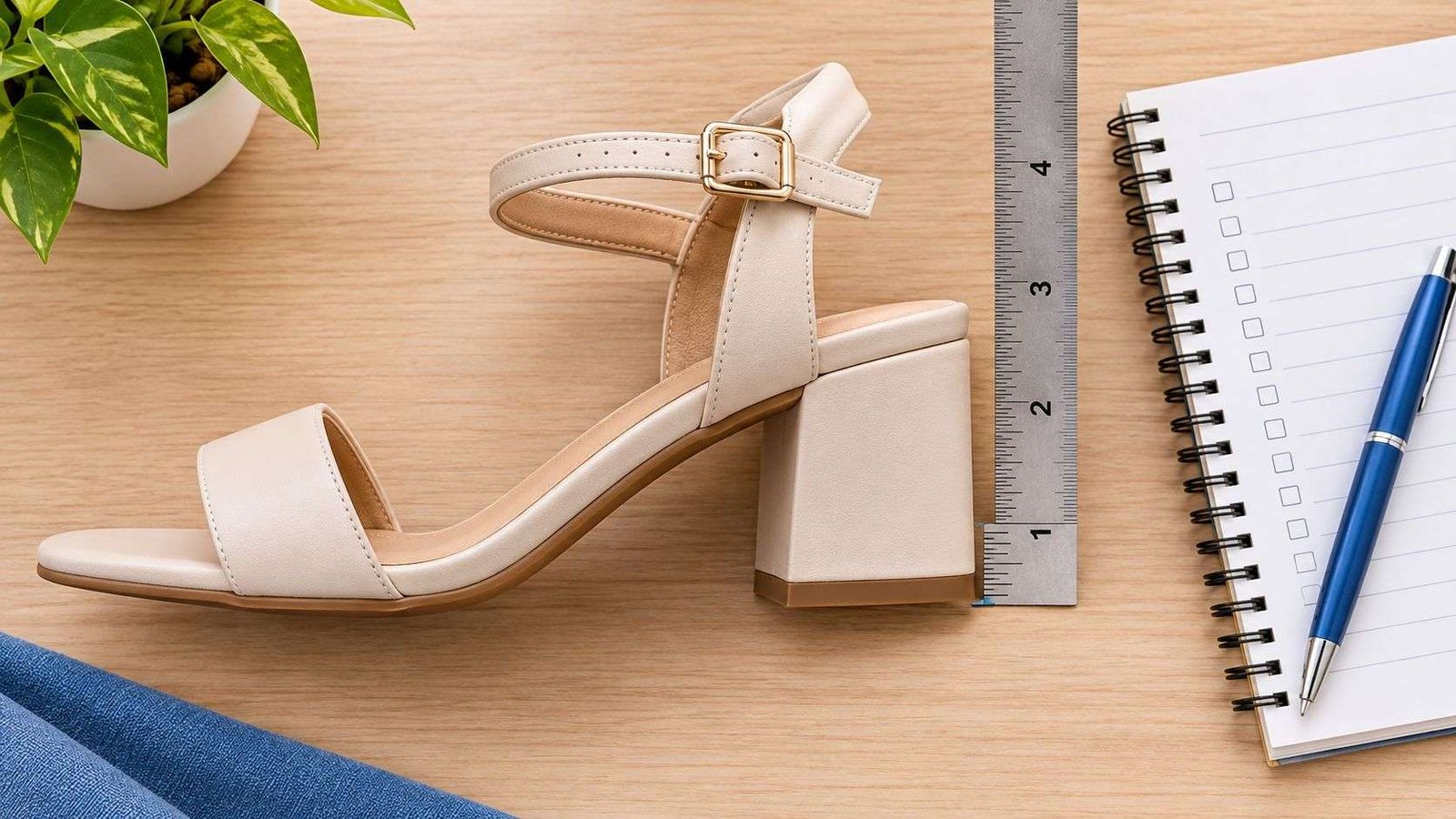
The guidance is specific. Podiatrist Ramona Brooks, speaking as an American Podiatric Medical Association spokeswoman, recommends that girls wait until they are between 14 and 16 years old, if not longer, because the growth plates must close first. Podiatrist Joshua Britten adds a hard ceiling: children younger than 13 should not wear shoes with a heel higher than one inch. The same Yahoo Lifestyle report notes that most brands do not allow heel heights above 1.5 inches in children’s shoes.
Those limits shape the market in a useful way. Brands that chase height lose the trust of parents who read the same advice you just read. A founder who publishes a clear heel-height specification, ships low block heels, and states the intended age range gives parents a reason to buy and a reason to return. I call that a moat because competitors must change their design process to copy it, not just their marketing.
Apply the guidance honestly. For the youngest buyers, the evidence supports flat, supportive shoes, so heel sandals for girls make sense for older teens and young women, with the lowest heel your design allows. Even then, the APMA position leaves room for the product. The APMA says high heels are fine for special occasions and suggests platform or wedge styles. That sentence defines your positioning: occasion footwear with documented limits.
Block Heel Sandals for Girls Win on Comfort Evidence
Heel type matters as much as heel height. Podiatrists consistently favor wider, lower bases, and you can build a product page around that consensus.
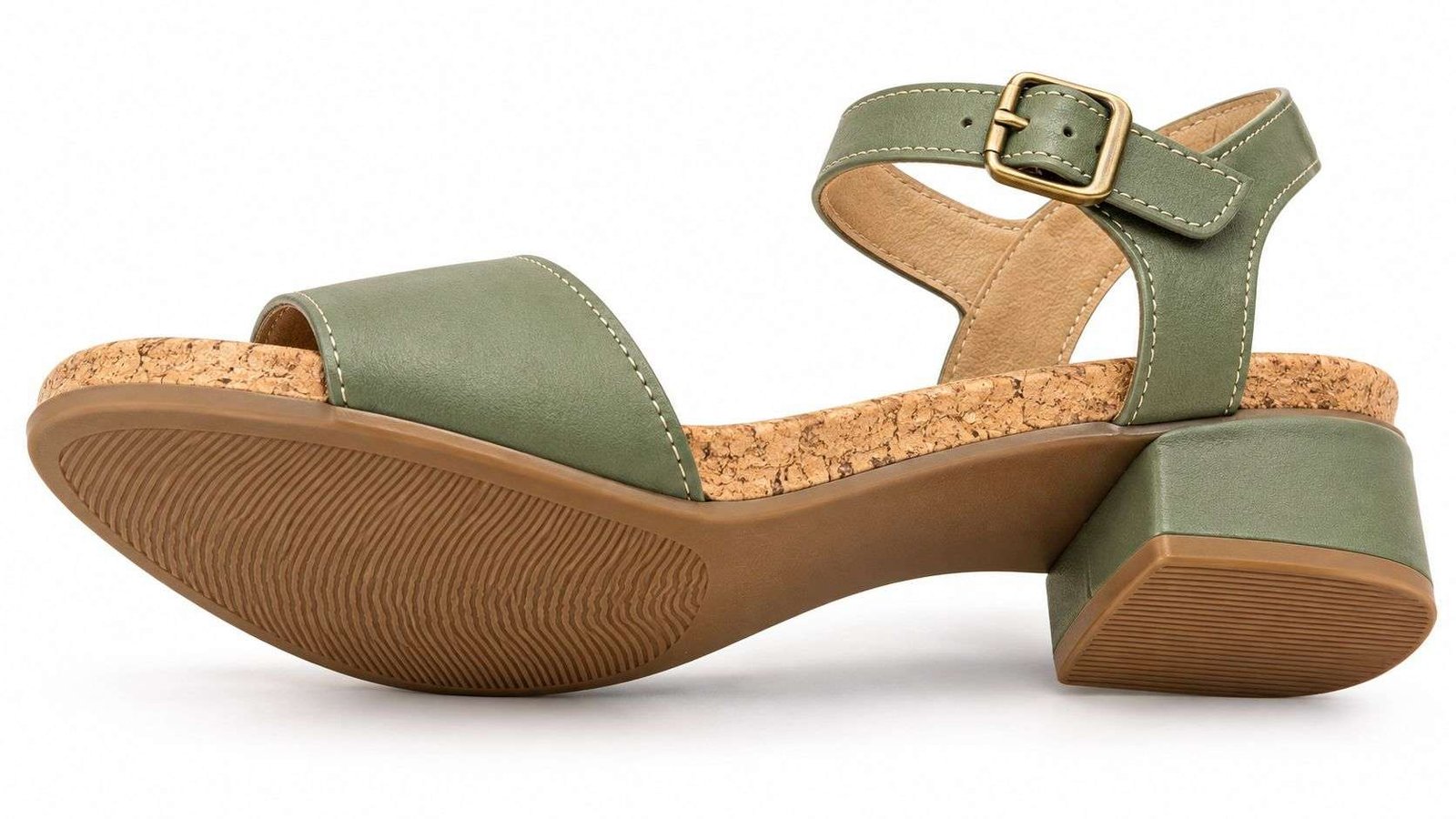
Podiatrist Vera Malezhik explains the mechanics: a block heel spreads ground reaction forces more evenly across the foot, and a shorter heel reduces forefoot pressure and injury risk. Physician Pat Basu agrees from a parent’s perspective: chunky heels beat thin ones, a wedge beats a single heel, and the shoe needs a wide toe area. Podiatrist Miguel Cunha sets a practical number: keep block heels at or below 1.5 inches, because a shorter heel puts less tension on the Achilles tendon. He also prefers ankle straps, which support the shoe on the foot and spare the toes from gripping it.
Materials add more evidence. Podiatrist Tea Nguyen told PureWow that a block heel distributes weight better than a stiletto, and a cork footbed absorbs more shock than plastic. The same article describes the Sarah Flint City Sandal, an adult shoe with a 2-inch block heel and a signature footbed built for walking a city. That example shows how a founder can sell a specification instead of a silhouette. Your version for younger buyers should sit lower than 2 inches.
Put these findings together and block heel sandals for girls have a clean feature list: low block heel, ankle strap, roomy toe box, cushioned footbed. Each feature maps to a published expert recommendation, so your product copy stays factual and your claims stay defensible.
Test Heel Sandals for Girls Like a Product, Not a Trend
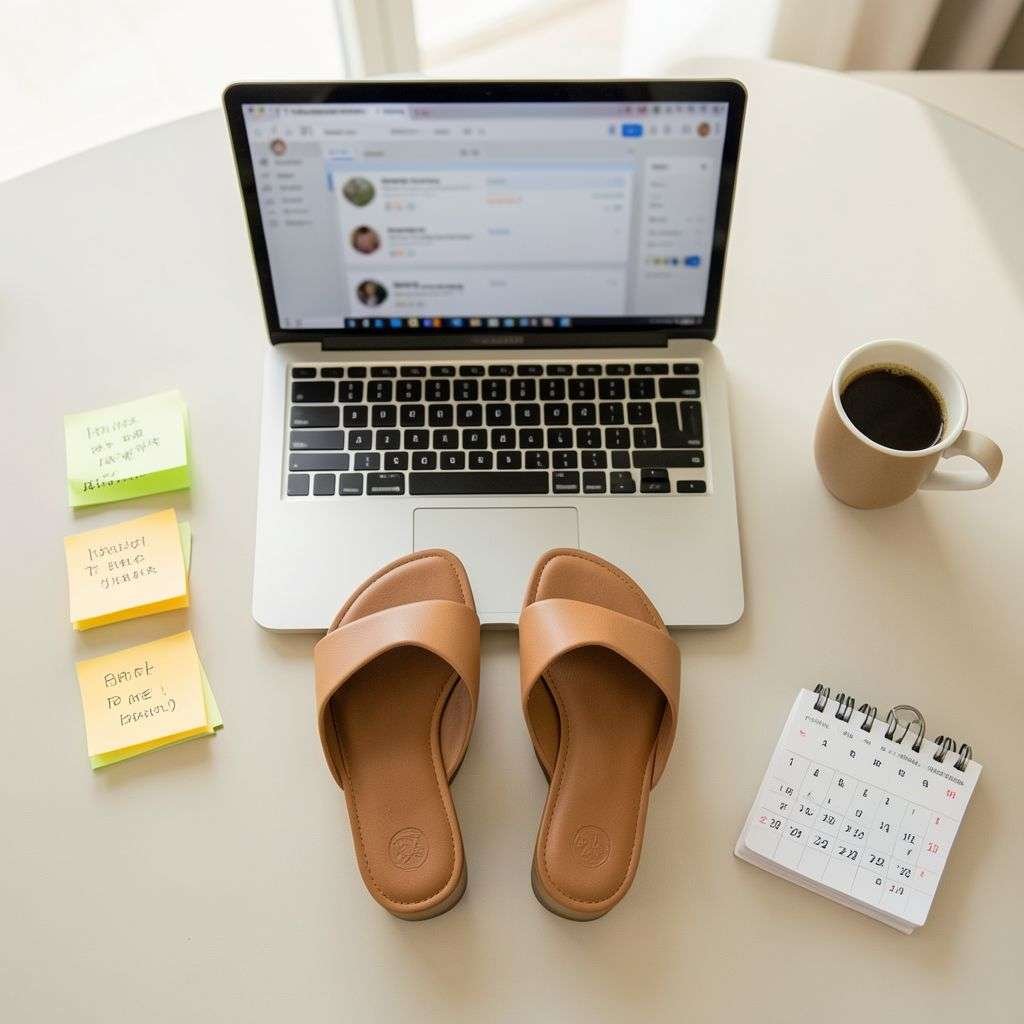
ROI comes from fast learning, not big inventory. Build a pilot that answers three questions in one season: Will customers pay? Will they keep the shoe? Will they come back?
Start with one style. Lock the heel at 1.5 inches or lower for older teens and young women, and at one inch or lower for any buyer under 13, following the guidance above. Write the specification on the product page in plain numbers: heel height, toe-box width, footbed material, and strap type. Specifications cost nothing to publish and answer the questions parents and teens ask before they buy.
Next, pre-sell before you manufacture at scale. A waitlist or pre-order batch gives you a demand signal that no market report can supply, and it solves the sizing gap noted earlier. Track the reasons behind every return, and sort them into fit, comfort, and style. A cluster of fit returns tells you to adjust the last or the strap, not to abandon the category.
Plan for occasion-driven demand, not daily wear. Because the APMA position favors occasional use, your customers will buy for graduations, weddings, and holidays. Time your launches around those events, and keep first orders small enough that an unsold pair never threatens your runway. That calendar logic is my recommendation, not a measured result, so confirm it with your own sales data.
Finally, resist the urge to add a second style until the first one earns repeat orders or referrals. A founder who proves one specification, one buyer, and one channel can raise the next round on evidence instead of ambition.
Heel sandals for girls reward founders who respect the foot science and move quickly on testing. Build the safe specification first, and let the numbers decide how fast you scale.
Written by Genzwalk.com
Sources (facts only)
- “How Young Is Too Young for Kids to Wear High Heels?”, Yahoo Lifestyle (APMA spokeswoman and podiatrist quotes): https://www.yahoo.com/lifestyle/young-too-young-kids-wear-011039307.html
- “When Should Girls Be Allowed to Wear Heels?”, Yahoo (APMA special-occasion position, heel-design advice): https://www.yahoo.com/news/girls-allowed-wear-heels-000000275.html
- “Can You Have Happy Feet in High Heels?”, Grand Forks Herald (podiatrist Joshua Britten): https://www.grandforksherald.com/lifestyle/can-you-have-happy-feet-in-high-heels
- “The 7 Heel Trends a Podiatrist Loves and Loathes,” Who What Wear (podiatrist Miguel Cunha): https://whowhatwear.com/worst-heel-styles-for-feet
- “Tall and Short Girls Agree: This Is the Best Heel Height,” PureWow (podiatrist Tea Nguyen): https://www.purewow.com/fashion/best-heel-height
- Women sandal market forecasts: LP Information (https://marketresearch.com/LP-Information-Inc-v4134/Global-Women-Sandal-Growth-39422848), Wiseguy Reports (https://www.wiseguyreports.com/reports/women-sandal-market), Data Horizzon (https://datahorizzonresearch.com/women-sandal-market-52236)